What You Need to Know If You Were Hit by a Commercial Truck
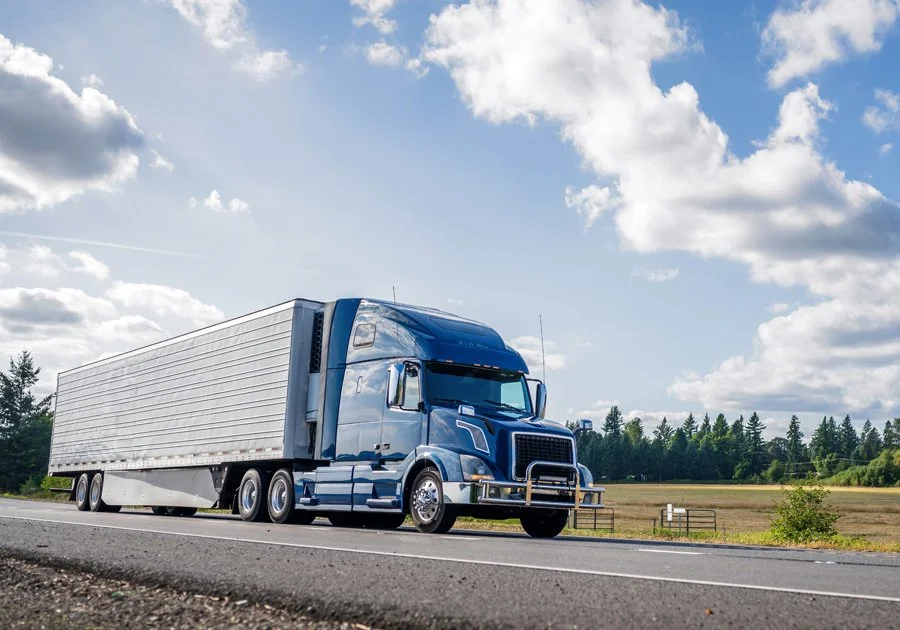
Being hit by a commercial truck is not just a bigger version of a car accident. The injuries are usually more serious, the insurance policies are larger, the defendants are often spread across multiple states, and the evidence that proves your case can vanish within days. If you are reading this because you or someone you love was recently hit by a semi-truck, big rig, delivery truck, or other commercial vehicle on I-5, Highway 299, Highway 44, or anywhere else in Northern California, you are probably trying to figure out what comes next. This guide walks through how truck accident claims actually work in California, what makes them different from standard car crash cases, and what an injured person should know before signing anything or accepting a settlement offer.
What to Do in the First Days After a Truck Accident in California
The first 72 hours after a truck crash matter more than most people realize. Trucking companies often dispatch their own investigators, attorneys, and accident reconstruction experts to the scene within hours of a collision, sometimes before the injured driver has even left the hospital. Their goal is straightforward, which is to build a defense and minimize what the company eventually pays. While the at-fault party is mobilizing professionals, the injured person is usually in pain, scared, and waiting for someone to tell them what to do.
There are a handful of practical steps that protect your health and your future claim:
Get medical care immediately, even if you feel "okay." Soft tissue injuries, concussions, and internal injuries often do not show symptoms for 24 to 72 hours, and gaps in treatment are one of the first things insurance adjusters use to reduce a claim.
Report the crash to the California Highway Patrol or local police and request a copy of the report once it is available.
Take photos of the vehicles, the scene, skid marks, road conditions, and your visible injuries before anything is moved or cleaned up.
Get the truck driver's name, employer, DOT number, license plate, and insurance information. The DOT number is critical because it connects the truck to a federally regulated motor carrier.
Do not give a recorded statement to the trucking company's insurance adjuster. They are trained to ask questions designed to lock you into answers that hurt your case later.
If you are unsure whether you should talk to a lawyer yet, you can review our overview of what to do after a car accident for general guidance that also applies to truck crashes. The earlier these steps happen, the more options you tend to have later.
Why Truck Accident Cases Involve More Defendants Than Car Crashes
One of the biggest surprises for people researching their first truck accident claim is how many parties can be legally responsible. In a typical car crash, you are usually dealing with one driver and one insurance company. In a commercial truck case, the list of potential defendants can include the driver, the trucking company that employed the driver, the company that owned the trailer, the company that loaded the cargo, the maintenance company that serviced the brakes, and sometimes the manufacturer of a defective part. Sorting out who actually caused the crash often requires subpoenaing internal records, maintenance logs, and contracts that the trucking company would rather not produce.
This matters financially because each of those parties may carry separate insurance. Under federal regulations enforced by the Federal Motor Carrier Safety Administration, interstate trucks are required to carry minimum liability coverage that starts at $750,000 and goes up to $5 million for vehicles hauling hazardous materials. That is dramatically more coverage than the $15,000 minimum bodily injury limit that California requires for standard passenger vehicles. When a claim is investigated properly, multiple insurance policies may stack on top of each other to cover the full extent of someone's medical care, lost income, and long-term needs. The flip side is that each insurer has its own lawyers fighting to push blame onto someone else, which is why these cases tend to be more contested than ordinary car claims.
How Federal Trucking Regulations Affect Your California Injury Claim
Commercial trucks are governed by a layered set of federal and state rules that most drivers never learn about until they are hit by one. The FMCSA sets hours-of-service limits, which restrict how long a driver can be behind the wheel before mandatory rest. Drivers of property-carrying commercial vehicles generally cannot drive more than 11 hours after 10 consecutive hours off duty, and they must stop driving after the 14th consecutive hour on duty. California incorporates most of these federal regulations into state law, which means they apply even to trucks that never leave the state.
These rules become evidence in your case. Electronic logging devices, often called ELDs, are required on most commercial trucks and record the driver's hours, location, speed, and duty status. If a driver was over their hours, falsified logs, or skipped a required rest break, that data can establish negligence. Other regulations cover things like:
Pre-trip and post-trip vehicle inspections
Cargo securement requirements (with periodic re-checks during long hauls)
Drug and alcohol testing protocols, including post-accident testing
Commercial Driver's License (CDL) qualifications and medical certifications
Maintenance records, brake inspections, and tire condition logs
When a trucking company or driver violates one of these regulations and that violation contributes to a crash, it strengthens the injured person's claim significantly. California law treats certain regulatory violations as evidence of negligence per se under Evidence Code section 669, meaning the violation itself helps prove the company was at fault. Building this kind of case requires knowing which records to request, which deadlines apply, and which expert witnesses can interpret the data.
Why Evidence in Truck Accident Cases Disappears Faster Than People Realize
This is one of the most important things for someone researching a truck crash to understand. Critical evidence in commercial truck cases has a shockingly short shelf life. ELD data can be overwritten in as little as a few weeks under federal retention rules. Dashcam footage and in-cab video are often recorded over within 24 to 72 hours unless specifically preserved. The truck's event data recorder, sometimes called the black box, captures pre-crash speed, braking, and steering inputs, but trucking companies are not required to preserve that data indefinitely.
To stop evidence from vanishing, attorneys send what is called a litigation hold letter or spoliation letter to the trucking company shortly after being hired. This is a formal legal demand that the company preserve all relevant records, including:
Driver logs and ELD data
The truck's black box data
Maintenance and inspection records
Dashcam and in-cab camera footage
Driver qualification files and training records
Drug and alcohol test results
Dispatch records and trip documents
Cargo manifests and loading records
If a company destroys or fails to preserve this evidence after receiving a hold letter, California courts can issue adverse inference instructions, telling the jury to assume the destroyed evidence would have hurt the trucking company's defense. This is part of why hiring a lawyer quickly matters more in truck cases than in almost any other type of injury claim. Every week that passes without a litigation hold is another week of potential evidence loss.
How California Comparative Negligence Affects Truck Accident Settlements
California uses what is called pure comparative negligence, a rule confirmed by the California Supreme Court in Li v. Yellow Cab Co. (1975) 13 Cal.3d 804. Under this rule, an injured person can still recover compensation even if they were partly at fault for the crash, but their recovery is reduced by their percentage of fault. If a jury decides you were 20 percent responsible for a collision and your total damages are $500,000, you would recover $400,000. This is more favorable than the rules in many other states, which bar recovery entirely if the injured person is more than 50 percent at fault.
The catch is that trucking company insurers know this rule extremely well and aggressively push blame onto the injured driver. Common tactics include arguing that the injured driver was speeding, distracted, in a blind spot, or made a sudden lane change. Sometimes these arguments have some basis. Often they are designed to manufacture comparative fault out of nothing. Documenting the scene properly, preserving vehicle damage, and obtaining the truck's data quickly are the most effective ways to push back against inflated comparative fault arguments later in the case.
What Damages You Can Recover After a Commercial Truck Accident
Truck accident damages in California go far beyond the initial ER bill. A properly built claim accounts for the full economic and personal impact of the injury, not just the bills that came in the first month. Categories of recoverable damages typically include:
Past and future medical expenses, including surgery, physical therapy, rehabilitation, prescriptions, medical devices, and projected lifetime care costs for catastrophic injuries
Lost wages and lost earning capacity, which covers both the time you missed from work and any long-term reduction in your ability to earn the same income going forward
Property damage to your vehicle and personal items destroyed in the crash
Pain and suffering, including physical pain, anxiety, sleep disruption, and the loss of normal activities you used to enjoy
Emotional distress tied to the trauma of the crash itself and the recovery process
Loss of consortium, which is a claim a spouse or close family member may bring for the loss of companionship, affection, and support
Punitive damages under California Civil Code section 3294 in cases involving especially reckless conduct, such as a driver who was intoxicated or a trucking company that knowingly ignored serious safety violations
The harder these damages are to calculate, the more important it is to involve professionals who can document them properly. A traumatic spinal cord injury or traumatic brain injury from a truck collision can require lifetime medical care, home modifications, and adaptive equipment that easily run into seven figures. Settling too early, before the full medical picture is understood, is one of the most common ways injured people leave money on the table that they will desperately need later.
How Long You Have to File a Truck Accident Claim in California
California's statute of limitations for personal injury cases is generally two years from the date of the accident, set by Code of Civil Procedure section 335.1. That sounds like a long time, but it goes faster than most people expect, especially when you are focused on medical recovery. Missing the deadline almost always means your right to sue is permanently barred, regardless of how strong your case is otherwise.
There are exceptions that shorten or change this timeline in important ways:
Wrongful death claims also have a two-year deadline, but it runs from the date of death rather than the date of the accident, and the rules for who can file are governed by California Code of Civil Procedure section 377.60
Claims against a government entity, such as when a city, county, or state vehicle was involved, generally require a written government claim within six months of the incident under Government Code section 911.2
Minors and people with certain disabilities may have tolled deadlines
Claims involving delayed discovery of an injury can sometimes extend the filing window, but this is fact-specific and not something to rely on without legal advice
If you lost a loved one in a truck collision, you can read more about how these cases work on our wrongful death page. Even if you are still inside the deadline, waiting damages your case practically because evidence fades, witnesses move, and surveillance footage is overwritten long before the statute of limitations runs out.
Why Truck Accident Settlements Take Longer Than Car Accident Settlements
People often expect a truck case to settle on roughly the same timeline as a car crash claim. In reality, commercial truck cases tend to take longer and involve more steps. The defense usually has more resources, more lawyers, and more incentive to fight. Insurers know that truck claims often involve seven-figure exposure, and they generally do not write large checks without thoroughly investigating, deposing witnesses, and forcing the injured person to prove every element of damages.
A typical timeline looks something like this:
Medical treatment and recovery, which can last months to years depending on injuries. Settling before reaching maximum medical improvement is usually a mistake.
Investigation and evidence preservation, including obtaining ELD data, black box downloads, maintenance records, and driver files
Demand and negotiation, where the attorney submits a detailed demand package and exchanges offers with the insurer
Filing a lawsuit if pre-litigation negotiations stall
Discovery, which includes written questions, document exchange, and depositions
Mediation or settlement conferences, where most cases ultimately resolve
Trial, if the case does not settle
Truck cases that involve catastrophic injuries or wrongful death often take 18 months to several years to fully resolve. That timeline can be frustrating, but it reflects the reality that fully valued cases require fully documented evidence. Quick settlements almost always favor the insurance company, not the injured person.
When to Hire a Redding Truck Accident Attorney
If your injuries are minor, if you missed no work, and if there is no real dispute about what happened, you may not need a lawyer at all. That is honest advice that does not get said often enough. But if any of the following are true, you should at least talk to an attorney before signing anything:
You were hospitalized or required significant medical treatment
You are facing surgery, ongoing physical therapy, or permanent impairment
You missed time from work or expect to miss more
The trucking company's insurance adjuster has contacted you and is asking for a recorded statement
You have been offered a settlement that feels rushed or too low
There is any dispute about who caused the crash
A loved one was killed in the collision
A free consultation costs you nothing and gives you a clear sense of whether your case actually needs legal help. At Landsem Law Office, we work on contingency, meaning you do not pay attorney fees unless we recover compensation for you. You can read more about our approach to truck accident cases or learn about Michael Landsem's background on our about page. Michael's own experience as a serious motor vehicle accident victim, with multiple surgeries and years of treatment, shapes how this firm handles every injury case that walks through the door.
Frequently Asked Questions About California Truck Accident Claims
Can I sue the trucking company directly, or only the driver?
In most California truck accident cases, you can pursue claims against both the driver and the trucking company that employed them. Under a legal doctrine called respondeat superior, employers are responsible for the negligent acts of their employees committed within the scope of employment. There are also independent claims that can be brought directly against the company for negligent hiring, negligent training, negligent supervision, or negligent maintenance.
What if the truck driver was an independent contractor?
Trucking companies often try to classify drivers as independent contractors to limit their own liability. California law looks at the actual working relationship, not just the label on the contract. Even when a driver is technically an independent contractor, the company that controlled the route, the schedule, the cargo, or the equipment may still be held responsible under various legal theories. This is one of many reasons it helps to have an attorney untangle the relationships behind a commercial truck.
Should I accept the first settlement offer from the trucking company's insurer?
Almost never. First offers in truck accident cases are typically a fraction of what the claim is actually worth. Insurers know that injured people are stressed, in pain, and worried about bills, and they use that pressure to settle claims cheaply. Before accepting any settlement, get a full picture of your medical prognosis and have someone independent evaluate the offer. Once you sign a release, the case is over, even if you discover serious injuries later.
What if the truck driver was uninsured or underinsured?
This is rare with commercial trucks because of federal minimum coverage requirements, but it does happen, particularly with smaller local trucking operations or owner-operators. If the at-fault party's coverage is insufficient, your own uninsured or underinsured motorist coverage may apply. California's Proposition 213 also affects what damages uninsured drivers can recover, which is explained on our resource page about Prop 213.
Does it matter if the crash happened on I-5 versus a city street in Redding?
Where the crash happened can affect which agencies investigate, which courts have jurisdiction, and what kind of road design or maintenance issues might be relevant. Interstate crashes often involve the California Highway Patrol and may include federal regulatory issues. City street crashes may involve local police, traffic engineering questions, and municipal records. Either way, the core liability principles are the same, but the practical investigation can look different.
Before You Settle a Truck Accident Claim, Talk to a Local Attorney
Truck accident cases are some of the most complicated personal injury claims in California, and they are also some of the most consequential. The decisions you make in the first few weeks after a crash often determine what your recovery looks like for the next decade. Whether you are still in treatment, dealing with insurance calls, or weighing a settlement offer that does not feel right, getting straight answers from someone who handles these cases is worth the call.
Landsem Law Office is based in Redding and serves clients throughout Shasta County and Northern California. Consultations are free, can be done by phone or Zoom, and you pay nothing unless we win. You can reach us at (530) 605-3744, email info@reddinginjurylaw.com, or visit our contact page to get started.